How to use LVA?
Guidance on Layered Voice Analysis
A structured, documented integrity interview for high-stakes hiring and logistics decisions, run remotely and quality-assured before it reaches you.
See how structured integrity screening fits into your Know Your Employee (KYE) stack. Each card is a segment we screen for. Open one to see what the assessment covers.
Explore the use cases






Technology
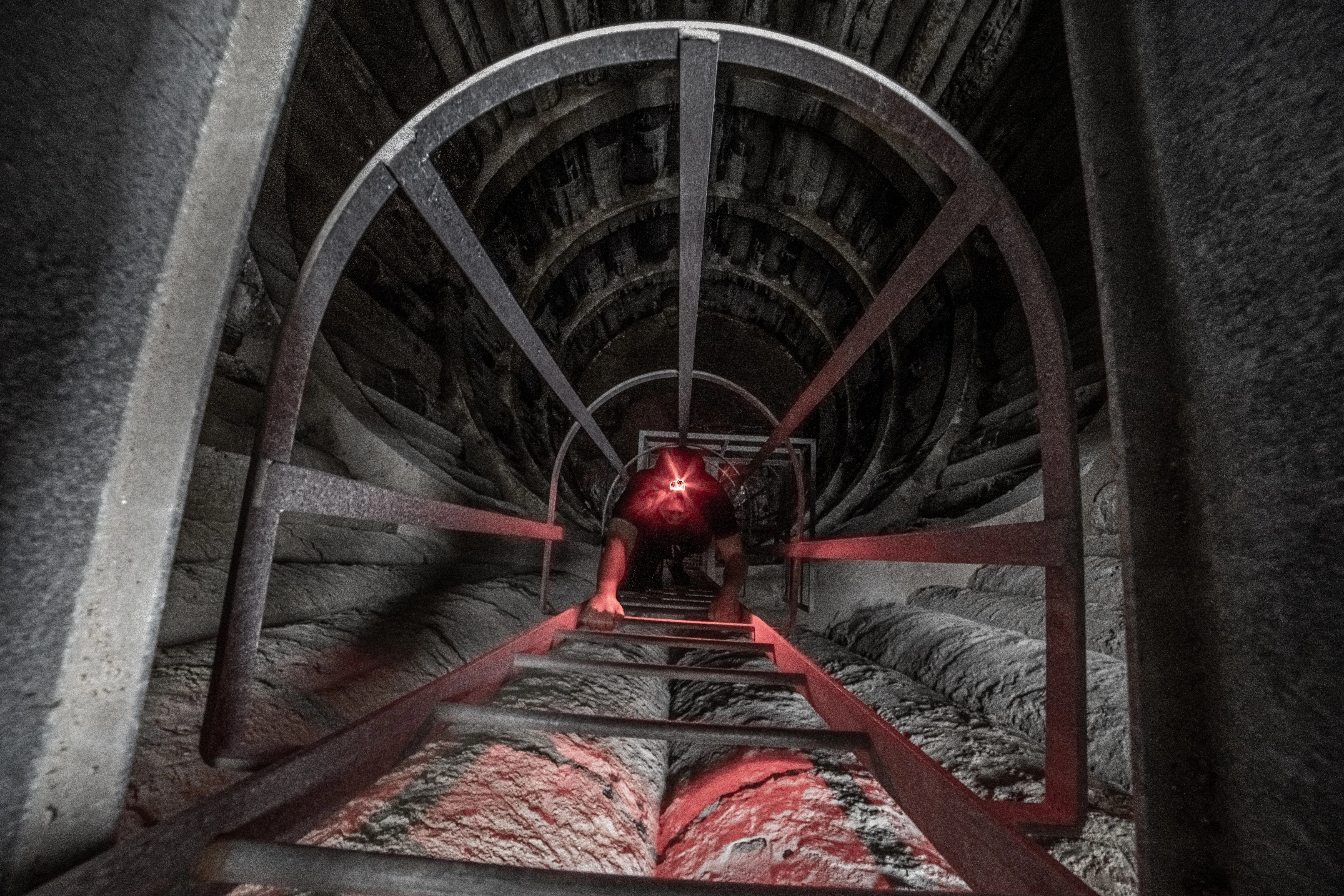
Integrigate utilises Layered Voice Analysis (LVA) to screen for integrity across a wide range of use cases. Compared to basic voice-stress tools that read a narrow range of pitch or volume, LVA analyses a broad spectrum of parameters in the voice, measuring involuntary changes that arise in the autonomic nervous system when a person processes a perceived threat. These signals are produced automatically and cannot be consciously controlled or masked.
Each structured interview is captured as high-quality audio and processed on secure cloud servers, where the LVA engine analyses every response. The examiner-independent report comprises: a risk classification for each answer, an overall risk value, and a profile of the cognitive and emotional markers detected during the session.
Before anything reaches you, our team reviews every medium and high-risk flag: confirming the subject understood the question, weighing the flag against the context of the interview and the subject’s circumstances, and delivering it with that context attached.
Organisations using LVA technology



Risk assessment summary
A clear risk score shows at a glance where the interview warrants a closer look. Use it to decide where a human review is worth the time. It is a signal, never a verdict, and our team reviews every medium and high-risk flag before it reaches you.
Learn more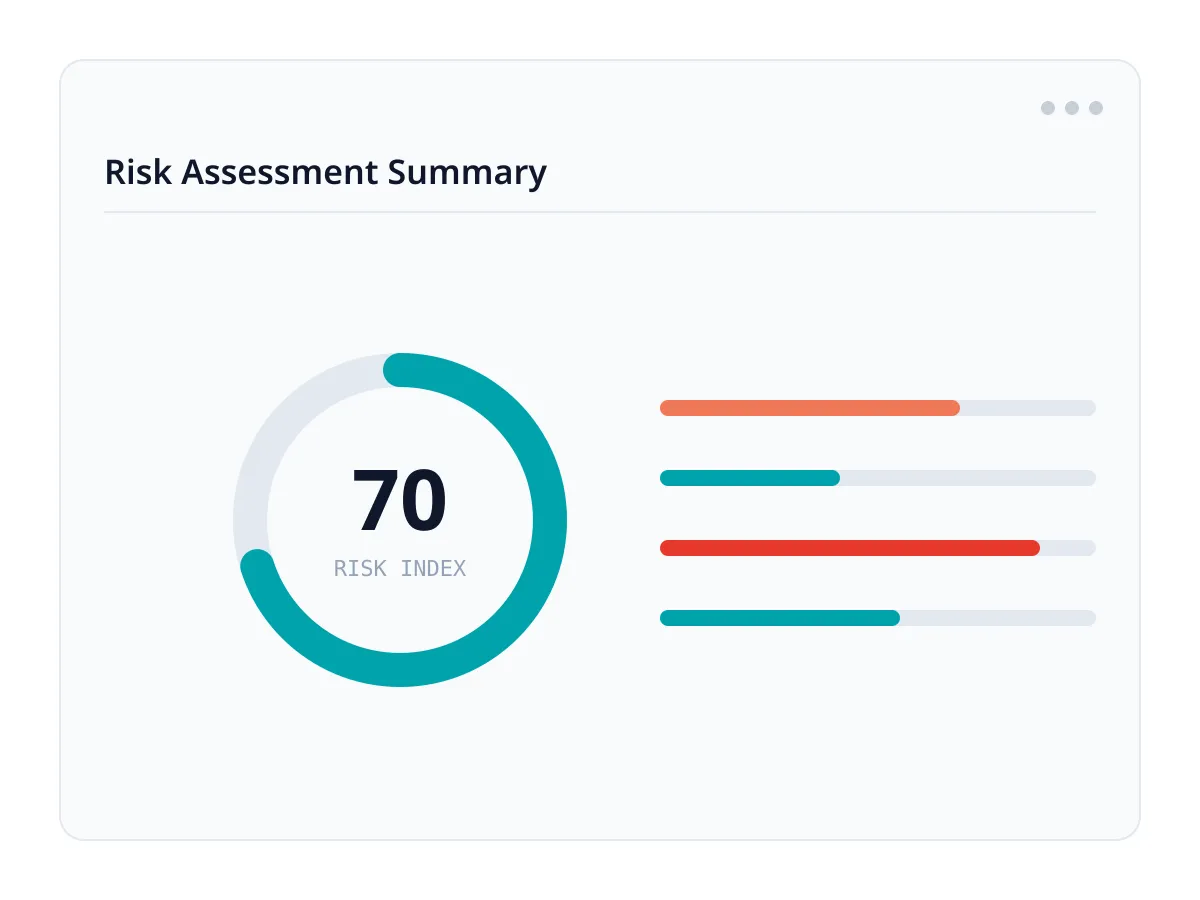
Emotional profile
An in-depth analysis of the subject's emotional state during the interview. Mapped across every response, it surfaces shifts and tension a transcript alone would miss.
Learn moreQuestion-specific scores
Detailed risk scores are provided for each question, highlighting where a closer look is warranted. That lets you focus follow-up exactly where the signal is strongest.
Learn more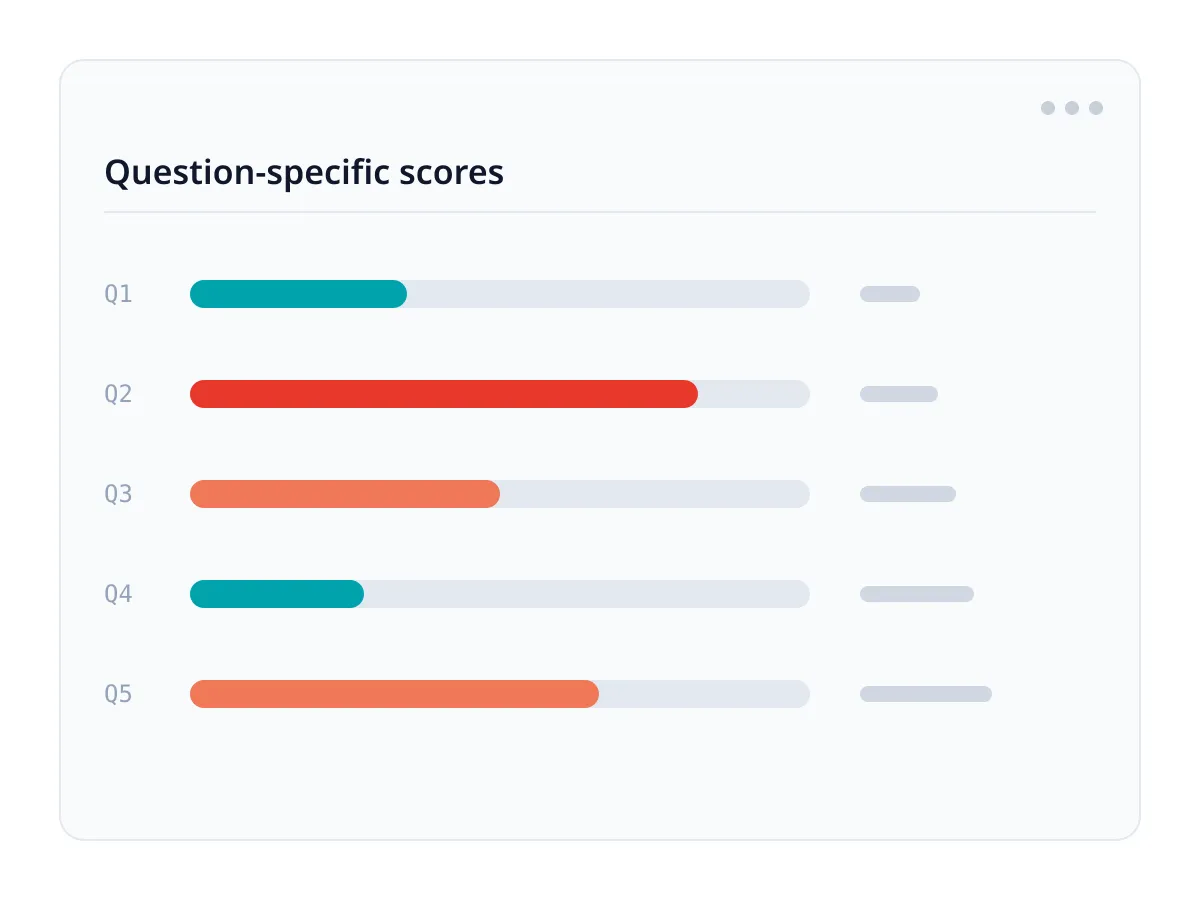
LVA gives you an objective, defensible layer that a background check cannot. Every medium and high-risk flag is reviewed by our team in context before it reaches you, and the result is there to inform a human decision rather than replace one. Interviews run remotely over voice or video calls, including WhatsApp, results come back within a day, and the process scales from a single hire to an entire fleet.
The LVA engine scores every response the same way, so results reflect what’s in the voice rather than a subjective opinion.
No need for wires, sensors, or an interrogation room. Testing only requires a structured conversation, which keeps subjects at ease and the process simple to run.
An interview is all you need, reported back within 24 hours, so your hiring and operational decisions don’t wait.
One test or a thousand, the model absorbs the volume without added downtime, so you can screen a full intake or an entire fleet.
LVA reads involuntary signals in the voice that can’t be consciously controlled, coached or rehearsed, so the result is hard to game.
Tests run over a standard video or phone call, letting you assess a candidate or a driver anywhere, with no travel or venue required.
Polygraph, Voice Stress Analysis (VSA), and Layered Voice Analysis (LVA) side by side.
| Polygraph | VSA | LVA | |
|---|---|---|---|
| Non-intrusive (no sensors) | |||
| Remote-capable | |||
| Fast / high throughput | |||
| Scalable to volume | |||
| Objective, consistent scoring | |||
| Rich output (risk + emotional profile) | |||
| Resistant to coaching | * | ||
| Documented, timestamped record | |||
| Quality-assured flags with context |
Guidance on Layered Voice Analysis
All the how-to’s
Field notes and research on Layered Voice Analysis, published regularly.
Earn by sharing Layered Voice Analysis.
Everything you need to know about how Layered Voice Analysis works, what you receive, and how to get started.
Integrigate provides integrity intelligence for high-stakes decisions. We use Layered Voice Analysis (LVA) to turn a short, recorded interview into a risk profile you can weigh alongside your other evidence.
LVA reads involuntary changes in the voice that arise when someone processes a perceived threat: signals from the autonomic nervous system that can’t be consciously controlled, coached, or rehearsed. The output is a per-question risk score and an emotional-risk profile, not a verdict.
A polygraph needs sensors attached to the body and a trained operator on site. LVA works from a standard video or phone call with nothing attached to the subject, and scores every response the same way, so it’s remote, non-intrusive, and scalable to volume.
LVA can be used in essentially every industry as an initial screening for high-stakes individuals and integrity maintenance across organisations. View our use cases
A structured interview recorded over a normal video or phone call. The recording is processed on secure cloud servers, and you receive a report with per-question risk scores, an overall risk value, and the stress and threat indicators detected during the session. Before the report reaches you, our team reviews every medium and high-risk flag against the context of the interview and delivers it with that context attached.
Reports are typically returned within 24 hours of the interview.
Yes. The interview runs over a standard video or phone call, so subjects can be assessed wherever they are.
Yes. Assessments are done with informed consent. That is a legal point, and it also improves the results, because people who understand and agree to the process give better data.
LVA reads involuntary signals in the voice rather than nerves or demeanour, so it’s resistant to coaching. No method is infallible, which is exactly why results are treated as one input rather than the whole picture.
Clients log into the client portal to review the results of a test. The results are broken down into three parts: a risk assessment summary, an emotional profile, and question-specific scores. Together these give clients a holistic view of the interviewee’s potential risk.
A trained Integrigate operator conducts the structured interview over video, phone, or WhatsApp. They manage the conversation and consent. The risk score itself comes from the LVA engine, not the operator’s judgement, and our team then reviews every medium and high-risk flag in context.
No. LVA scoring is examiner-independent: the engine analyses the recorded voice the same way regardless of who conducted the interview, so results stay consistent operator to operator, unlike a polygraph reading, which leans on the examiner’s interpretation. A person then reviews every medium and high-risk flag in context before it reaches you, so consistent scoring is paired with human judgement on what a flag means.
Yes. Every operator completes structured training on the interview protocol, the consent process, and handling of sensitive information before running live assessments.
It’s uploaded to secure cloud servers for the LVA engine to process. Access is restricted to the people involved in delivering your report.
Tell us where to reach you and we will send you a few questions about what you need assessed. Answer them and we will come back with a time, the right approach, and a rate that fits.